The Future of Ceramic Quality Control
How Artificial Intelligence is redefining excellence in the kiln and beyond.
The Manual Labor Bottleneck
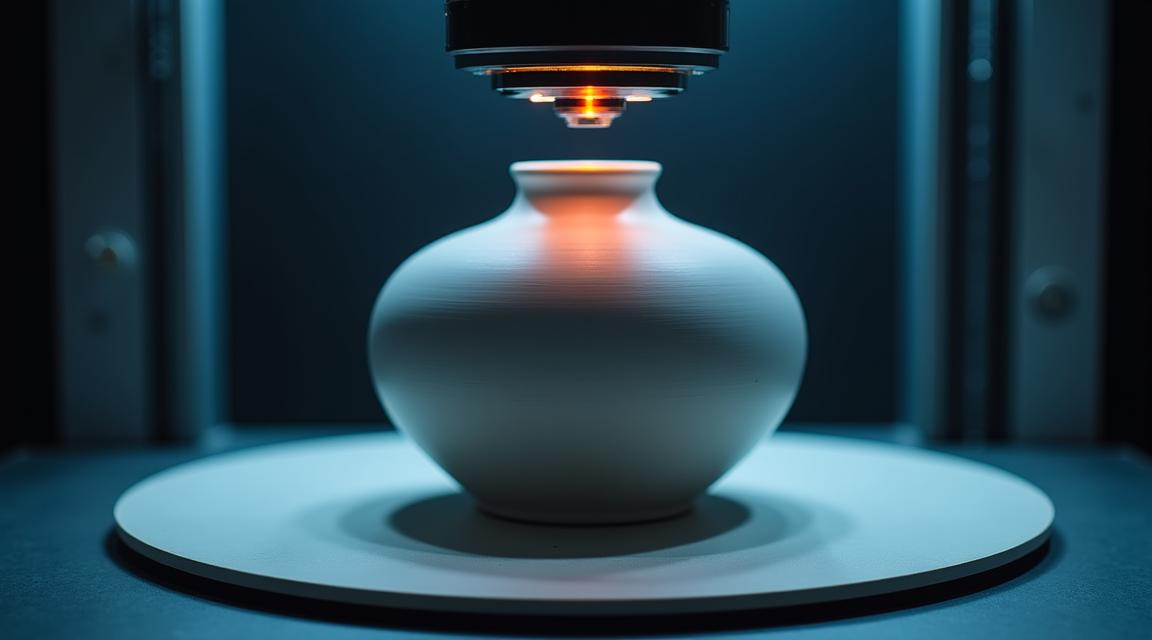
For centuries, the grading of pottery has relied on the human eye. Master glazers would spend hours under bright studio lights, rotating pieces to catch the glint of a nearly invisible hairline fracture or the slight depression of a pinhole bubble. While artisanal expertise is invaluable, it creates a massive bottleneck for modern scalable production. Fatigue leads to error, and human variability means that 'Grade A' might differ from shift to shift.
Training the Digital Eye
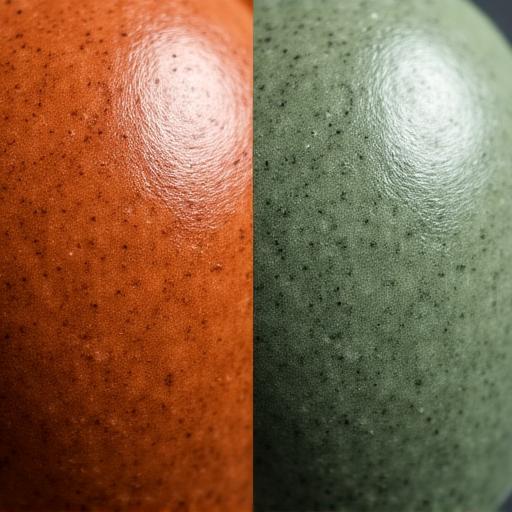
Computer vision models are now capable of identifying 'pinholes' (tiny gas bubbles that burst through the glaze surface) and 'crazing' (fine cracks in the glaze) with a level of consistency the human eye cannot match. At GlazeMetrics, we utilize deep learning algorithms trained on thousands of samples. By analyzing the light reflection and surface topography, the AI recognizes the mathematical signature of a defect long before the piece reaches the packaging desk.
Integrating the Sorting Process
The real magic happens post-firing. By integrating high-resolution industrial cameras directly into the conveyor system as pieces emerge from the kiln cooling zone, GlazeMetrics provides real-time sorting. Pieces are automatically diverted into primary, secondary, or discard bins based on your specific quality thresholds. This immediate feedback loop doesn't just catch bad pieces; it tells you exactly when a specific kiln shelf is underperforming.
Customizing Glaze Chemistry Analysis
No two glazes are the same. A glossy celadon reacts to light differently than a matte crystalline finish. We work with our clients to train models on their specific chemical recipes. This localization ensures that the AI understands the difference between an intentional aesthetic variation and a chemical failure, achieving a sub-1% defect rate even in the most demanding industrial environments.
Ready to optimize your production?
Join the lead manufacturers using GlazeMetrics to reduce waste and increase yield.
Get a Custom Assessment