Supply Chain Resilience in the Pottery Industry
Navigating raw material volatility with AI-driven insights.
Overview: The Fragility of the Finite
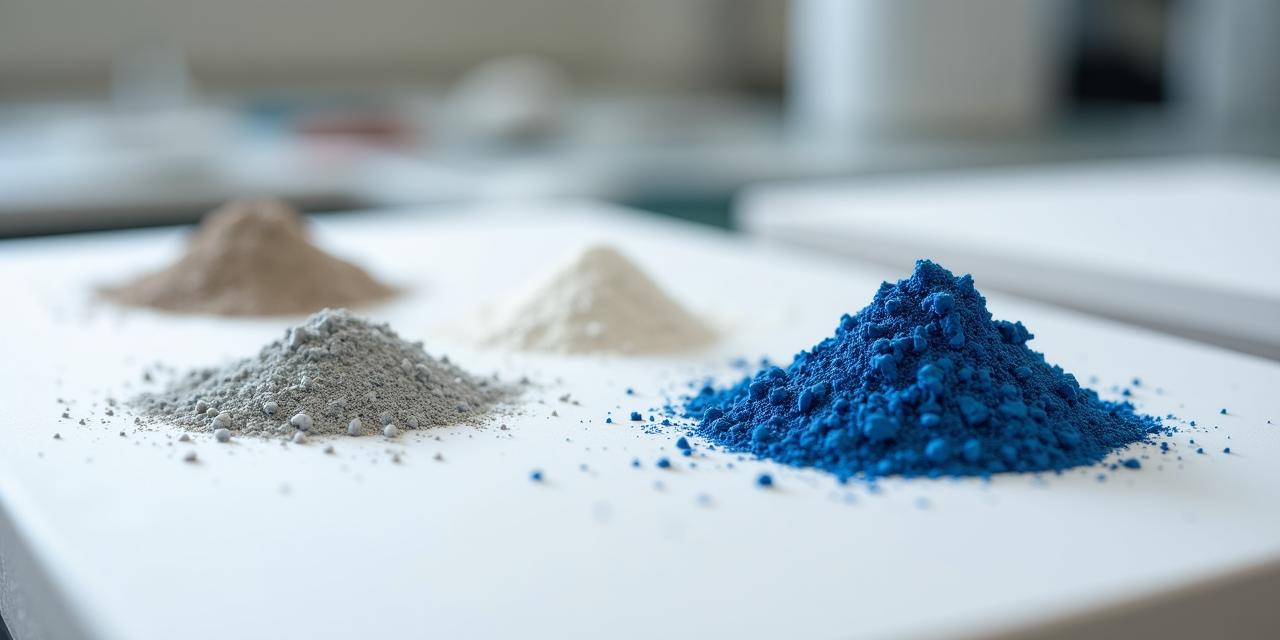
The global ceramics industry is currently facing an unprecedented challenge. The delicate balance of sourcing essential oxides and minerals has been disrupted by geopolitical tensions and logistics bottlenecks. Specifically, the availability of Cobalt for deep blues, Lithium for low-expansion glazes, and specific Ball Clay bodies has become increasingly volatile. For mid-to-large scale producers, these aren't just ingredients; they are the lifeblood of production consistency.
Trend 1: Hyper-Local Sourcing vs. Standardized Recipes
As international freight costs climb, many artisanal manufacturers are turning back to local clay pits. However, local sourcing introduces variability in chemical composition. GlazeMetrics helps bridge this gap by recalibrating kiln schedules and glaze chemistry based on the specific batch data of locally dug materials, ensuring that your signature finish stays consistent regardless of the source.
Trend 2: Dynamic Chemical Substitutions
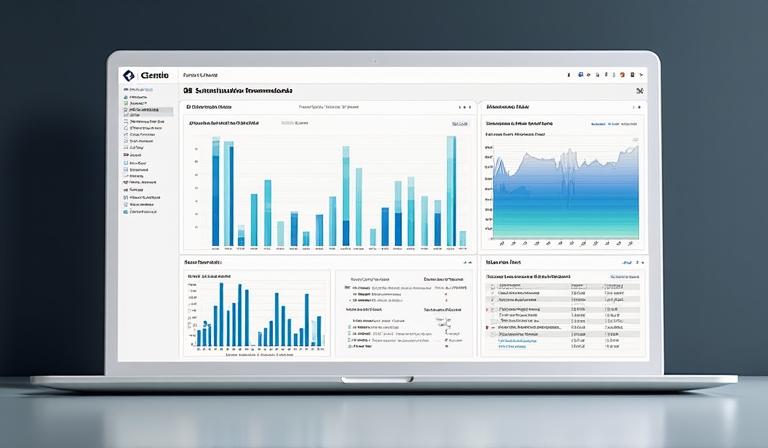
What happens when your primary feldspar supplier goes dark? Our software utilizes Seger unity formula logic integrated with real-time supply data to suggest viable chemical substitutions. If Custer Feldspar is unavailable, the dashboard immediately calculates the precise adjustment of Minspar or G-200 needed to maintain the glazes' expansion coefficient and melting point.
Future Outlook: Predictive Inventory
The next frontier is Predictive Purchasing. By analyzing macro-economic data—such as mining output trends in Australia or shipping delays in the Suez Canal—GlazeMetrics provides a "Resilience Score" for your inventory. It suggests purchasing windows before prices spike, turning a reactive supply chain into a strategic advantage.